When evaluating personal security and executive transit in West Africa, the terms armoured cars in Nigeria and bulletproof vehicles in Nigeria are frequently used interchangeably. However, in the realm of specialized automotive and defense engineering, these terms describe distinct methodologies, ballistic certification tiers, and operational capabilities.
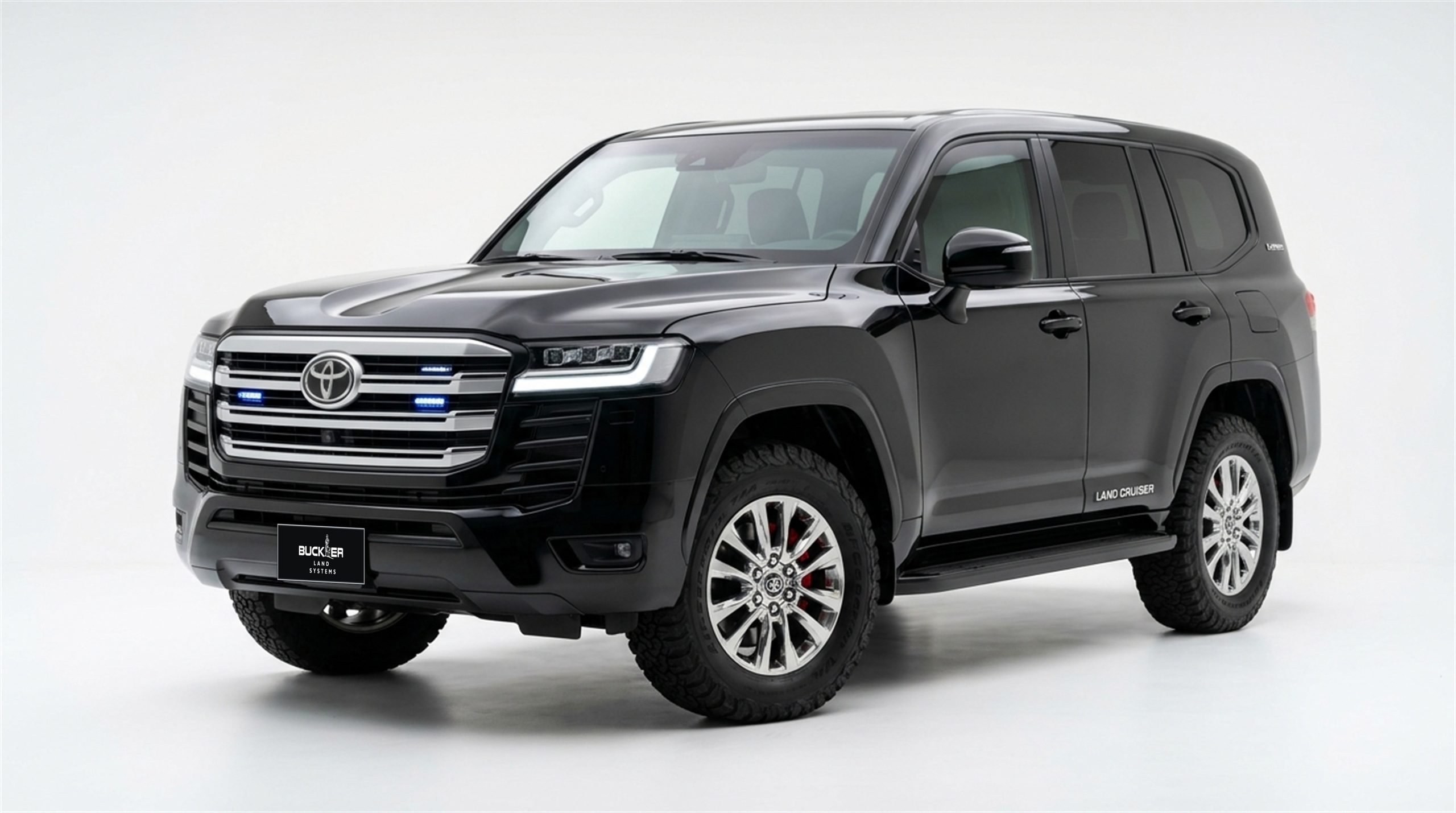
Key Takeaway: Certified armoured cars in Nigeria refer to luxury civilian sedans and SUVs (such as the Toyota Land Cruiser 300, Lexus LX600, and Mercedes-Benz G-Class) engineered with discreet ballistic steel, multi-layered bullet-resistant glass, and reinforced suspension systems. In contrast, heavy-duty bulletproof vehicles in Nigeria encompass both specialized tactical platforms and Cash-in-Transit (CIT) bullion vans built for severe kinetic threats and operational durability.
Armoured Cars vs. Bulletproof Vehicles: Understanding the Engineering Distinction
While colloquial conversations refer to any vehicle that resists gunfire as “bulletproof,” automotive engineers categorize protected mobility into two primary categories:
- Civilian Armoured Cars: Discreet, luxury SUVs and sedans designed for high-net-worth individuals, corporate executives, and diplomats. These vehicles retain their original equipment manufacturer (OEM) appearance, comfort, and interior electronics while encasing the passenger cabin in a certified protective ballistic survival cell. Explore our comprehensive lineup of luxury civilian armoured vehicles in Nigeria.
- Tactical & Commercial Bulletproof Vehicles: Ground-up or heavy-chassis platforms designed for tactical security, defense convoys, armed escort, and high-value logistics. These include armored bullion vans, cash-in-transit (CIT) units, and tactical personnel carriers engineered to withstand sustained automatic rifle fire, explosive fragmentation, and severe off-road operational abuse. Learn more about our commercial bulletproof vehicles in Nigeria.
Ballistic Protection Standards in Nigeria: B6 vs. VPAM VR7 vs. BR6
Choosing the correct protection grade requires an understanding of the international ballistic ballistic standards recognized in Nigeria, primarily CEN 1063 / 1522 (European standard) and VPAM BRV 2009 (Association of Test Laboratories for Bullet Resistant Materials and Technologies).
| Protection Standard | Threat Calibre & Munition | Typical Weapon Platform | Blast & Fragmentation Shielding |
|---|---|---|---|
| CEN B4 / BR4 | .44 Magnum, 9mm Luger (Handgun) | Handguns, Submachine Guns | None / Incidental |
| CEN B6 / BR6 | 7.62×51mm NATO Ball, 5.56×45mm SS109 | FN FAL, G3, M16, AR-15 | Underbody floor grenade shielding (Optional) |
| VPAM BRV 2009 VR7 | 7.62×51mm NATO Ball, 7.62×39mm (AK-47 Kalashnikov) | AK-47, AKM, FAL, G3, Multi-angle burst fire | 2× DM51 hand grenades detonated simultaneously under floor |
| STANAG 4569 (Military) | Armor-Piercing Incendiary & Heavy Landmines | Sniper AP rounds, Anti-tank blast mines | 6kg–10kg TNT blast under wheel or center hull |
For executive transit in Nigeria, VPAM VR7 and CEN B6 are the industry benchmarks. They provide verified protection against the widespread 7.62×39mm rounds fired from AK-47 assault rifles and 7.62×51mm military battle rifles, protecting occupants during ambush scenarios along interstate highways or congested urban bottlenecks in major Nigerian cities.
Essential Engineering Systems Behind High-Performance Bulletproof Cars
Transforming a luxury SUV or sedan into a survivable fortress involves significantly more than mounting heavy steel plates. At Buckler Land Systems’ specialized manufacturing facility in Lagos, our ballistic engineering team integrates critical interrelated safety architectures:
1. 360-Degree Ballistic Survival Cell
We utilize precision laser-cut, hot-formed high-hardness ballistic armor steel (HHS) combined with ultra-lightweight multi-axial aramid ballistic composites. Overlapping door pillars, firewall shields, and perimeter door flanges eliminate direct ballistic gaps, ensuring bullets cannot penetrate door crevices at oblique angles.
2. Curved Multi-Layered Transparent Armour
Bullet-resistant glass (BRG) typically measures between 39mm to 48mm in thickness for VR7/B6 configurations. It features alternating layers of optical-grade float glass, polyvinyl butyral (PVB) interlayers, and an interior polycarbonate anti-spall shield to prevent lethal glass splinters from entering the cabin during bullet impact.
3. Heavy-Duty Suspension and Braking Overhaul
The addition of armor adds between 800kg and 1,200kg to the vehicle’s unladen weight. To preserve evasive handling, cornering stability, and stopping distance, we replace factory springs, heavy-duty gas shock absorbers, sway bars, and control arms with heavy-duty components rated for severe duty cycles on Nigerian road terrains.
4. Certified Run-Flat Tire Systems
Every bulletproof vehicle built by Buckler Land Systems is fitted with certified run-flat tire inserts inside all four tires and the spare. In the event of a catastrophic tire puncture or direct gunfire hit, the internal composite bead supports the rim, allowing the driver to maintain control and drive away from the ambush zone for up to 50 kilometres at speeds of up to 80 km/h.
5. Protected Ancillary Systems
An ambush often targets critical engine sub-components to disable the vehicle. Our ballistic protection envelope includes armored protection for the Engine Control Unit (ECU), battery casing, fuel tank self-sealing blast wraps, and reinforced radiator protection.
Regulatory Compliance & NSA Approvals for Armoured Vehicles in Nigeria
Operating bulletproof cars in Nigeria requires strict compliance with statutory national security regulations. Under Nigerian law, civilian procurement and operation of ballistic-protected vehicles require authorization from the Office of the National Security Adviser (ONSA).
When purchasing imported vehicles, navigating the End-User Certificate (EUC) and port customs clearance processes can take months and incur significant demurrage. In contrast, partnering with a licensed sovereign domestic defense manufacturer like Buckler Land Systems simplifies statutory documentation, ensuring compliant registration with national security authorities and verified provenance.
Why Domestic Manufacturing & Local Maintenance Matters
One of the most persistent challenges faced by owners of imported armoured cars in Nigeria is long-term maintenance and parts availability. Foreign-armored vehicles frequently sit immobilized for months due to broken custom glass or worn-out specialized brake components.
Buckler Land Systems solves this lifecycle dilemma through our dedicated manufacturing and service complex in Lagos:
- Immediate Parts Availability: In-country inventory of certified replacement ballistic glass, heavy-duty brake pads, specialized suspension bushings, and run-flat rings.
- Factory Recalibration: Expert recalibration of Advanced Driver Assistance Systems (ADAS), radar cruise control, and anti-lock braking sensors tuned specifically to the vehicle’s armored weight.
- Ballistic Warranty & Support: Direct manufacturer warranty backed by defense engineering specialists located in Nigeria.
Frequently Asked Questions About Armoured & Bulletproof Vehicles in Nigeria
Can anyone legally own an armoured car in Nigeria?
Yes. Private individuals, corporate executives, and organizations can legally own and operate armoured vehicles in Nigeria, provided they obtain the statutory End-User Certificate (EUC) and clearance from the Office of the National Security Adviser (ONSA). Buckler Land Systems assists clients through the regulatory compliance process.
What is the most popular bulletproof car in Nigeria?
The Toyota Land Cruiser 300 (and its predecessor LC200), Lexus LX600, Cadillac Escalade, and Mercedes-Benz G-Wagon are the most sought-after civilian bulletproof cars in Nigeria due to their rugged chassis, reliable powertrains, and discreet road presence.
How fast can an armoured vehicle drive on flat tires?
Vehicles fitted with military-grade run-flat inserts can safely travel at speeds of up to 80 km/h for approximately 50 to 80 kilometres even after multiple tires have suffered total pressure loss or ballistic damage.
What is the lifespan of bulletproof glass in Nigerian climate conditions?
High-quality ballistic glass manufactured with tropicalized interlayers typically maintains optical clarity and ballistic integrity for 5 to 7 years. Buckler Land Systems utilizes specialized optical formulations resistant to high ambient heat and humidity, preventing premature delamination.
Need Certified Ballistic Protection in Nigeria?
Whether you require an executive bulletproof SUV or custom commercial security vehicles, consult with Nigeria’s premier sovereign armouring engineers.